Mound Septic System Installation in Mankato, MN
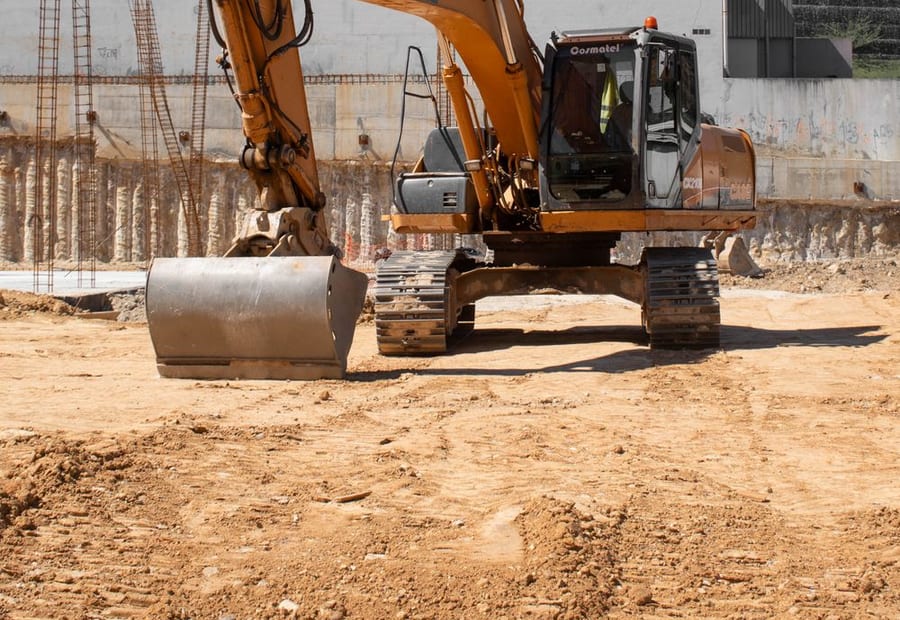
Mankato Septic installs complete raised mound septic systems on rural and unsewered property across Mankato, North Mankato, and Blue Earth County, Minnesota. We handle the whole job: the soil and site evaluation, the design, the SSTS permit application to the county, the tank, the pump and pressure network, the sand mound itself, and the final county inspection. We are an MPCA SSTS certified installer, and SSTS is the Minnesota term for a Subsurface Sewage Treatment System, the legal name for any septic system serving a property the city sewer does not reach.
A mound is the anchor job in this county because so much of the ground here forces one. Mankato sits in the Minnesota River valley, and the valley soil is heavy clay and dense glacial till that drains very slowly. The system works by building the drainfield up rather than digging it down. We strip and scarify the natural surface, lay a bed of specified clean sand, set a pressurized pipe network in rock on top, and cover it with soil and grass. The wastewater leaves the tank, gets pumped up into that pipe network, and doses out evenly across the sand, which treats it as it filters down. That built-up sand is what gives you the three feet of clean separation the code demands when the tight, wet soil below cannot.
The Order of Work on a New Mound
Soil and site evaluation first, because the soil result and the depth to the limiting layer size everything after it. Then a design drawn to that result, showing the sand depth, the bed size, the pump, and the setbacks. Then the SSTS permit application to Blue Earth County Environmental Services, which reviews and permits the system under Minnesota Rules chapter 7080. Then the sand delivery and the build: the tank set, the pump tank and controls wired, the mound bed placed and the pressure network laid, and the cap and topsoil graded over it. The county inspects the open system before it is covered. Seed and mulch close it out. Skipping the front of that sequence to save a week is how a mound fails its inspection and gets rebuilt.
Building the Sand Bed and the Pressure Network
The mound is only as good as the sand and the dosing. We place the clean sand to the design depth on a scarified surface so the water filters the way the design intends, then set the rock and the pressurized laterals so every orifice throws the same small dose. A dosing pump in the pump tank pushes each measured charge up and out, so the whole bed loads evenly instead of drowning one end. On slow clay ground even loading matters more, not less, because the native soil under the mound takes water grudgingly. We pressure test the network and check the squirt heights before anything gets capped. See our tank, pump, and pressure distribution work.
What You Decide, and When
Bedroom count and any planned addition, before the design, because flow is sized off bedrooms and a mound built for three will not serve five. Where the mound sits and what stays clear of it, at layout, since a mound is large and permanent. Access for the sand trucks and the machine, before the build. Everything else follows the soil report and the permit, and we walk you through each choice as it comes up. If you are not sure a mound is even required, start here.
New Construction Around Mankato
Builders on the edge of the county lose weeks by ordering the septic work late. The evaluation, the design, and the county review all run before a framer shows up, and none of it can start after the foundation goes in over the best mound location. Get the ground read early. We design and quote whenever the ground allows, and we build when the site is workable. Wet spring clay and winter frost both move a start date, because a machine smearing a wet clay surface seals the very soil the mound depends on. Call (507) 555-0172.
What exactly is a mound system, and why does Mankato ground call for one?
Picture a drainfield built on top of the yard rather than dug into it. We set a bed of specified clean sand on the scarified surface, lay pressurized pipe in a layer of rock over that sand, and blanket the whole thing in topsoil and grass. It comes down to separation. Minnesota Rules chapter 7080 wants three feet of clean soil between the bottom of the treatment area and the first limiting layer, and here in the river valley that layer is the heavy clay, the dense glacial till, or the high spring water table. When the native ground cannot deliver those three feet, or the tight till simply will not take water quickly enough, the fix is to build upward. That raised bed is the mound.
What makes a mound more expensive than a conventional field?
Three line items. First the sand, a clean spec sand hauled in and placed to a set depth, which on a big bed means load after load. Second the pump, because the bed sits higher than the tank, so the effluent gets pushed up and dosed across the sand rather than drifting downhill by gravity. Third the engineering, since every mound is drawn to your own soil report and flow instead of dropped in as a stock trench. Stack those on top of a normal field and the number climbs, which is the whole reason we read the soil before quoting. You should never buy a mound the clay did not actually demand.
From first call to finished mound, how long is that?
The machine work itself, the excavation, the sand placement, the pipe, usually wraps in a few days once the permit is signed and the sand shows up. The waiting is out front. The soil and site evaluation, the design drawn off it, and the Blue Earth County review each move on their own schedule before anyone digs. Figure a few weeks start to finish on a normal lot, and longer when wet bottomland or hard frost stalls the dig. We hand you the honest timeline for your ground, not a rosy one meant to close the sale.
Is a mound going to swallow my yard?
It is a raised, grassed area, and it reads wider than the sand bed underneath because the shoulders taper down to grade. On most properties it looks like a long, low green rise. Its position and its run are dictated by the soil, the slope, and the setbacks off your well and lines, not by curb appeal. Out here on stiff valley clay the bed frequently runs larger, since slow soil needs more surface to accept the same flow. We place it to function first, keep it as tidy as the lot permits, and seed it so it greens in.
Once the mound is built, what upkeep falls on me?
Not much, but a little. Pump the tank on the usual interval, have someone look over the pump and floats now and then, and keep grass growing on the mound with no vehicles or loads on top of it. Rolling equipment across a mound flattens the pipe and packs the sand, and that wrecks one faster than anything else. Grass it, stay off it, pump the tank, and it will run for decades on this ground.