Mankato Septic: Mound Septic System Installation in Mankato, MN
Mankato Septic is an MPCA SSTS certified installer serving unsewered property across Mankato, North Mankato, and the Minnesota River valley. We install raised sand mound systems, replace failed drainfields, read the soil that decides the design, handle the county permitting, and set the tanks and pumps a mound runs on. Our customers are rural homeowners, builders putting homes on lots past the end of the sewer, and owners of older systems that have finally given out.
On this valley's ground the soil usually makes the decision. Mankato sits in the Minnesota River valley, where the soil is heavy clay and dense glacial till that drains very slowly, and the river bottoms and low ground carry a high seasonal water table. Slow soil counts as a limiting layer just as water does, so lot after lot here passes only as a mound. A mound builds the drainfield up on imported sand and pumps the water to it, treating the waste above the tight, wet soil instead of down in it. We read the soil first, design to it, and quote off the result rather than over the phone.
Call for a Free Estimate- MN MPCA SSTS certified installer
- Soil evaluation before any number
- Raised sand mounds for clay and wet lots
- County permit pulled before a machine moves
- Failed-system replacement and inspections
Mound Septic Installation
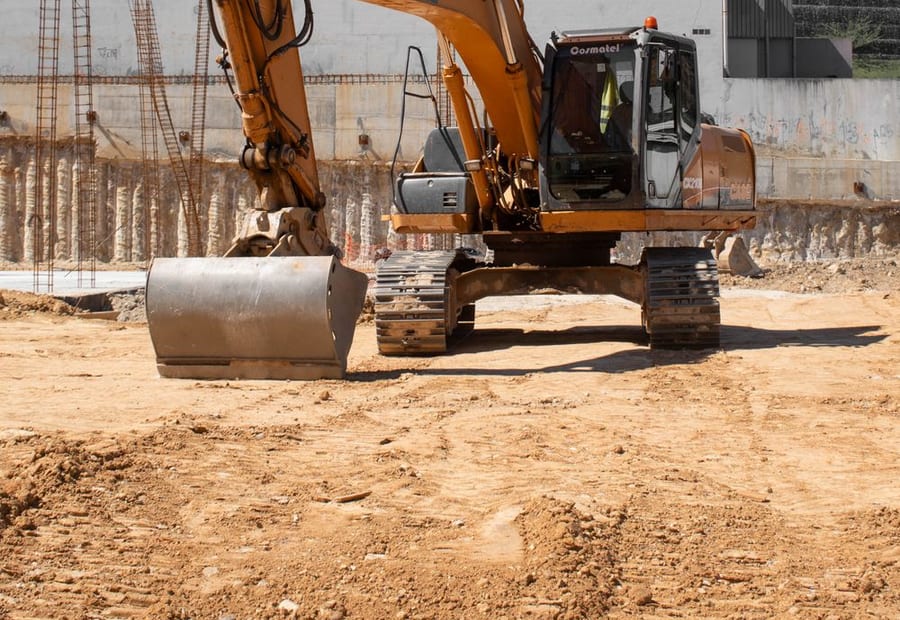
A mound builds the drainfield up on a bed of clean sand and pumps the water to it, so the waste is treated above the tight clay and the water table instead of buried in it. That is why it fits the heavy valley soil a conventional field cannot serve.
We run the whole job: evaluation, design, county permit, tank, pump, and the sand mound with its pressure network, inspected before it is capped. More on mound septic installation.
When a Mound Is Required
Conventional costs less and runs on nothing, but needs three feet of dry, fast-enough soil above the water table or the clay. Where the valley till does not give that, code requires a mound. The soil decides, not the budget.
Much of this valley's clay and low ground fails the buried test, which is why so many lots here end up mounds. See when a mound is required.
Soil and Site Evaluation
A percolation test only timed water in a hole. A soil evaluation reads the profile: the texture, the layering, the seasonal high water table, and the depth to the clay or glacial till. That report sizes the system and decides mound versus buried field.
The evaluation comes before the price, because the ground sets the design and the design sets the number. Buying land? Test before you close. More on soil evaluation.

Septic System Replacement
A drainfield that has sealed and gone wet does not recover. When a field fails on this valley's heavy clay, a new buried field in the same soil fails the same way, so the replacement is often a mound.
We read the ground with a fresh evaluation, handle a county notice inside its window, and build a replacement that will pass and last. More on system replacement.
Tank, Pump, and Pressure Distribution
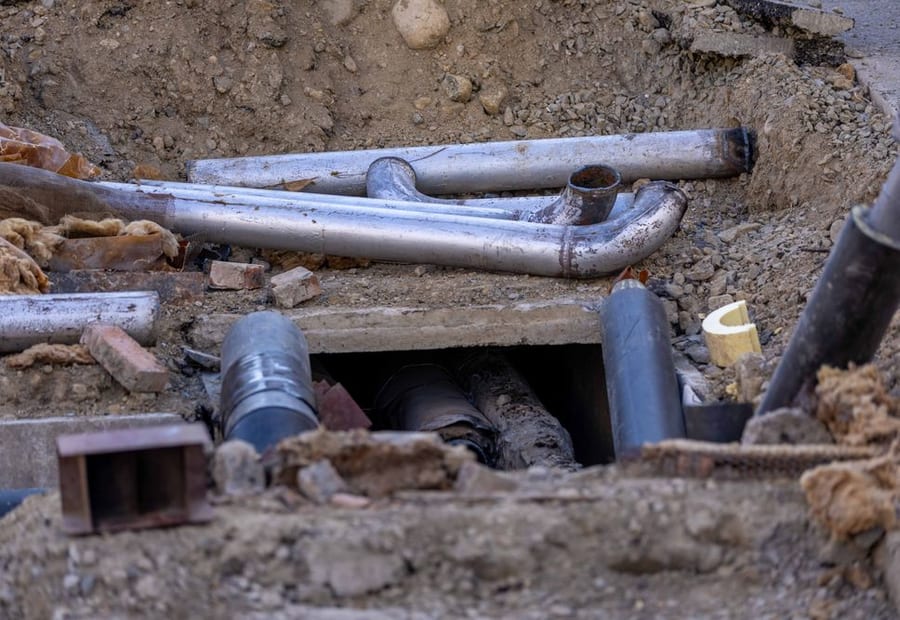
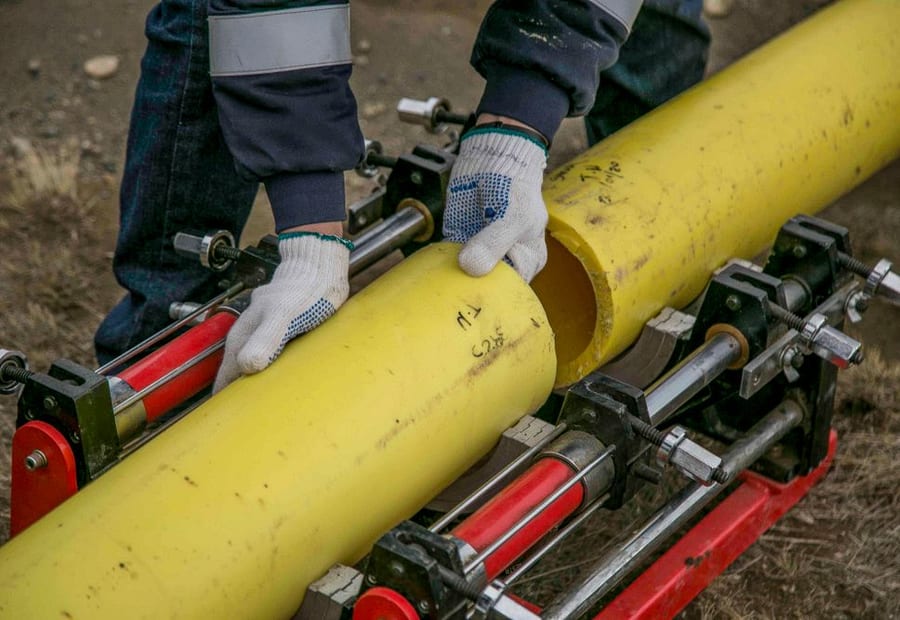
A mound sits above the tank, so a dosing pump lifts each measured charge up into a pressure network that spreads it evenly across the sand bed. Even loading is what treats the water and keeps the mound from going wet at one end over the slow clay.
We set tanks and pump chambers, build the distribution network, and replace failed pumps, floats, and panels on any system. More on tanks and pumps.
Why Blue Earth County Owners Call Us
- We read the soil before we quote. On this valley's ground the clay and the water table decide whether your lot carries a cheap buried field or a mound. A number given before the soil is read is a guess. Start with soil and site evaluation.
- We do not sell a mound the ground did not require. If your soil supports a smaller system we design that and save you the cost. See when a mound is required.
- We handle the county, not just the digging. The permit is where most installs go wrong. We file a complete package and meet the inspector. See SSTS permitting.
- We build the mound to dose evenly. A mound only treats water if the whole bed shares the load, which matters more over slow clay. We pressure test the network and check the squirt heights before we cap it. See tank and pump work.
- We tell you straight on a failed system. A saturated field gets replaced, and we say plainly whether the fix is a mound or something smaller. See system replacement.
- We file in the right county. This service area crosses Blue Earth, Nicollet, Le Sueur, and more, each its own permitting authority. North Mankato sits in Nicollet County; most of the rest is Blue Earth. We file with the one your parcel actually sits in.
How a Mound System Actually Works
Most people picture septic as a tank and a buried field and nothing else. A mound is a different build, and understanding it explains every cost and every rule that comes with one.
Separation Is the Whole Idea
Code requires three feet of clean, unsaturated soil between the bottom of the treatment system and the nearest limiting layer, which here is usually the heavy clay, the glacial till, or the seasonal high water table. When the natural ground does not give you those three feet, or the tight soil will not accept water fast enough, you cannot bury a field. A mound creates the separation by building up out of clean sand instead of digging down. That is the entire reason the system exists.
Tank, Pump, Sand, Cover
Waste settles in the septic tank, and the clarified liquid moves to a pump chamber. When the chamber fills, a dosing pump pushes a measured charge up into the mound and out through a pressurized pipe network. The water spreads across a bed of clean sand, filters down through it, and reaches the natural soil already treated. Soil and grass cover the whole thing. Each stage depends on the one before it.
Why the Sand and the Pump
The sand is the treatment medium, a specified clean sand placed to a design depth so the water filters at the right rate, which the tight valley clay below it cannot do. The pump is there because the mound sits above the tank, so gravity cannot carry the water up to it. Those two parts, absent on a buried gravity field, are most of what makes a mound cost more.
What the System Needs From You
Power, to run the dosing pump. A pumped tank on a normal schedule, so solids never carry into the mound. And a grass cover with nothing driving or parking on it, because traffic crushes the pipe and compacts the sand. None of that is heavy, and a mound kept that way runs for decades.
The Alarm Is a Feature
The control panel watches the level in the pump tank. A high-level alarm means the water is not leaving, which points at the pump, a float, or the mound. It gives you warning days before the problem reaches the yard. Answering the alarm early is the difference between a service call and a backup.
How a Mound Install Runs
Read the Site
We walk the lot, find the well and the lines, and open a soil pit to read the profile and the depth to the water table and the clay that decides the design.
Design to the Soil
The soil result sets the sand depth and the bed size. The design holds every setback from the well, the lines, and any wetland, and gets drawn for the county.
Permit
We file the SSTS package with the county that covers your parcel, answer the reviewer, and wait for the construction permit before a machine moves.
Build and Inspect
Tank and pump set, sand placed, pressure network laid and tested. The county inspects the open system before any cover goes on.
Cap and Seed
We cap the mound with soil, grade it, and seed it so it grasses over, then confirm the dosing runs right on start-up.
What Moves the Price of a Mound System
Nobody can quote a mound over the phone, and any site that prints one number for your county is guessing. On live Minnesota River valley searches, installed mound systems run roughly twelve to twenty thousand dollars, and where a job lands in that range comes down to a short list of things.
The soil result leads it. How tight the clay runs, how high the water table sits, and how deep the clean soil goes set the sand depth and the size of the bed. A lot on slow till that needs a large mound with many loads of sand costs more than one that needs a modest one.
The house size is next. Flow is sized off bedroom count, so a three bedroom and a five bedroom on the same road get different systems. Tell us the real count, including any future addition, before the design.
Then the site itself:
- How much clean sand the design requires, and the haul distance for it
- Slope, and whether the mound has to follow a contour
- Access for the sand trucks and the machine
- How high the seasonal water table climbs in a river bottom
- Whether an old failed system has to be pumped and abandoned first
- The run of the power feed to the pump and panel
This is why the evaluation comes before the number rather than after it. A quote written before anyone reads the soil is a guess wearing a letterhead.
Frequently Asked Questions
What does a mound septic system cost around Blue Earth County?
On current local searches, an installed mound runs roughly twelve to twenty thousand dollars. Where a given job lands turns on how much clean sand the design calls for, the house size that sets the flow, the slope and the access of the lot, how tight the clay runs and how high the spring water table climbs, and whether an old system has to come out first. The soil evaluation always precedes the number, because the ground dictates the design and the design dictates the price.
Why do mounds show up on so many lots here rather than buried fields?
Because the code wants three feet of clean soil between the treatment area and the water table or the clay, and much of this valley cannot spare it. Mankato sits in the Minnesota River valley, where heavy clay and dense glacial till drain slowly and the river bottoms carry a high seasonal water table. A mound stacks the treatment up on clean sand, above the limiting layer, so a parcel that would flunk a buried field can pass. The soil evaluation confirms which one your ground can hold.
Is a permit required, and who signs off on it?
Yes. Minnesota governs onsite systems under Minnesota Rules chapter 7080, run by the MPCA, and almost every new system, replacement, or major change needs a construction permit and inspections before it is buried. The county your lot sits in reviews the design, permits the work, and inspects it. Most of this area falls under Blue Earth County, while North Mankato is Nicollet County. We file with the right one for your parcel.
Can my old failed drainfield be replaced with a mound?
Often, yes. When an old field seals up and the clay or the water table was always too close, a new buried field in the same ground dies the same way, so the code will not permit it. Switching to a mound built on clean sand with a pump is frequently the route that passes. It takes a fresh soil evaluation, a new design, and a county permit. We look at what is buried and tell you honestly whether a repair or a replacement mound is the right call.
How long will a mound last, and what does it ask of me?
A well-kept mound runs for decades. The upkeep is light: pump the tank on the usual cycle, have the pump and floats checked now and then, and keep the mound in grass with nothing driving or parking on it. Traffic across a mound crushes the pipe and packs the sand, the quickest way there is to ruin one. Keep it clear and keep the tank pumped, and it keeps working.
The septic alarm is sounding. What should I do right now?
Quiet the audible buzzer if your panel allows it, cut water use in the house, and phone us. A high-level alarm means the water is not clearing the pump chamber, which points at the pump, a stuck float, a popped breaker, or trouble out in the mound. It is a warning that buys you time, and answering it early keeps a service call from sliding into a backup.
Should I have a rural lot tested before I buy?
Yes. A soil evaluation on a parcel you are weighing costs a small fraction of the system. It tells you whether the ground carries a modest system or a mound that piles thousands onto the build, and whether the well and any wetland even leave room for a legal drainfield. On valley clay near the river the answer is frequently a mound, and knowing that before closing has steered more than one buyer off a lot that could not be built on affordably.
Do you cover ground beyond the city of Mankato?
Yes. We work Mankato and the towns around it, including North Mankato, Eagle Lake, Madison Lake, Lake Crystal, Mapleton, Good Thunder, St. Clair, and Amboy. Each county is its own permitting authority under the same state rules, and we file with the correct one. Call and tell us the parcel.
Clay, Till, Water, and What Sits Under Your Lot
The Minnesota River valley hands a septic installer two problems, and both trace back to the ground. Together they are why mounds are so common across this county.
The first is the soil itself. Mankato sits in a river valley floored with heavy clay and a dense glacial till, ground that water moves through very slowly. A slow layer counts as a limiting layer just as standing water does, because a buried field cannot push water into tight clay at the rate a house makes it. Even where the surface looks dry and firm, a till band below it can stop the water and force a mound. That is the condition that separates Mankato from a sandy site: the ground drains grudgingly, so the treatment has to be built up on imported sand.
The second is water. The Minnesota River and its tributaries, the Blue Earth, the Le Sueur, and the Maple, set a seasonal high water table that climbs close to the surface across the bottomlands and low ground in a wet spring. A buried field sitting in that water cannot treat or drain, and the gray and rust mottling in the soil profile is how an evaluator reads how high the water reaches. The design then has to stay above it, which on low ground means building up into a mound rather than digging down.
The last piece is growth. Mankato and North Mankato keep pushing homes past the end of the sewer, and the townships around them are filling with acreage homesites. That gives this market both kinds of work at once: first systems on new lots, and replacements on older country places where a field has finally run out. Both start the same way, with somebody reading the ground.
Mound Septic Across the Minnesota River Valley
We work unsewered property across Blue Earth County and the counties around it. Sewer here stops at the city edges, and everything past those lines runs on a septic system. That covers North Mankato across the river, the lake country at Eagle Lake and Madison Lake, and the farm towns to the south like Lake Crystal, Mapleton, Good Thunder, St. Clair, and Amboy.
Ready to Get Your Lot Looked At?
Call (507) 555-0172 for a free estimate. Tell us the parcel, how many bedrooms the house has or will have, whether there is an old system in the ground, and whether you are building new or replacing a field that failed. We will tell you straight whether you are looking at a repair, a buried field, a shallow pressure system, or a mound, and what the soil work has to settle before anybody can price it.